

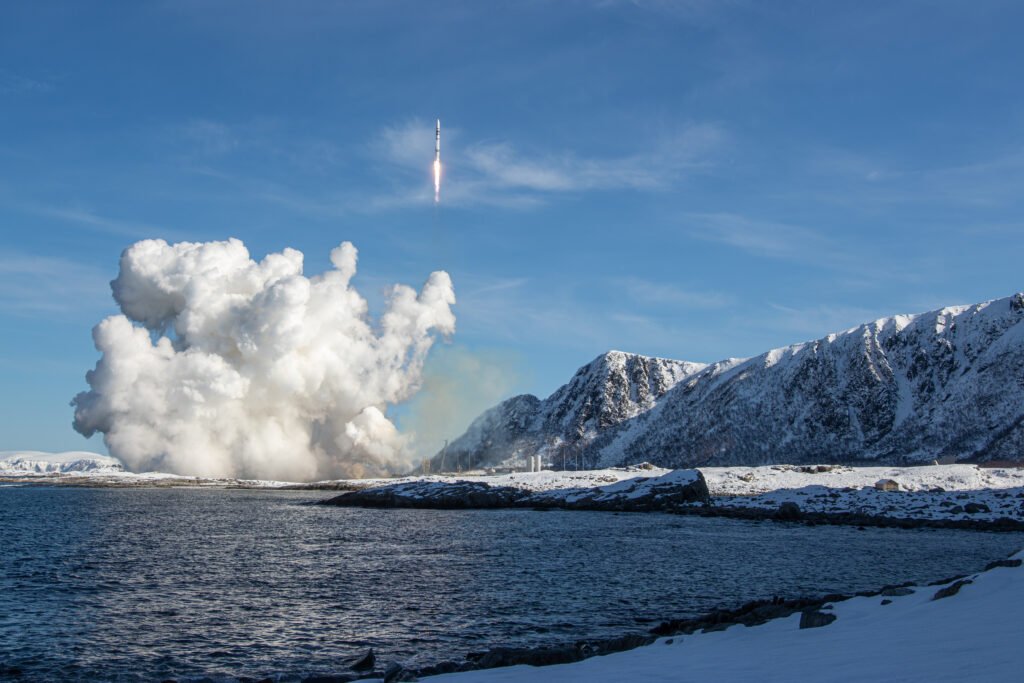
Preparations are underway in northern Norway for another launch attempt involving the Spectrum rocket. The launch window runs from September 4 to 11. On launch day, police will close designated areas on land and at sea around Andøya Spaceport. Residents, tourists, drivers, fishermen and others at sea are advised to follow the latest announcements.

Andøya in northern Norway is once again preparing for a rocket launch.
Nordland Police District announced on September 1 that restrictions will be introduced in connection with another launch attempt of Spectrum, developed by the German company Isar Aerospace.
The launch window runs from Friday, September 4, to Friday, September 11, 2026.
The exact launch date will depend, among other things, on the progress of preparations and weather conditions that allow the launch to be carried out safely.
Police will close areas on land
If the countdown proceeds according to plan, police will introduce a ban on entering designated areas on land.
The restrictions will apply on the day of the launch attempt from 12 noon until midnight.
There is, however, an important exception for drivers.
Traffic on County Road 7698 (fylkesvei 7698) through Børvågen will be permitted until 6:00 p.m.
Andøya Space also reports that, due to launch activities, the road between Nordmela and Nøss may be closed from 5:00 p.m. to 1:00 a.m.
Part of the sea will also be closed
The restrictions will also apply to sea areas around Andøya. If preparations proceed according to plan, Nordland Police District will introduce a ban on entering a designated maritime safety zone.
The restriction will apply from 8:00 p.m. until midnight.
Vessels that are inside the zone when the restriction takes effect will be given until 9:00 p.m. to leave the area.
No one will be allowed to enter the closed zone without permission from Andøya Space. Ensuring the safety of people in the surrounding area is a fundamental requirement before the launch procedure can begin.
The Spectrum rocket
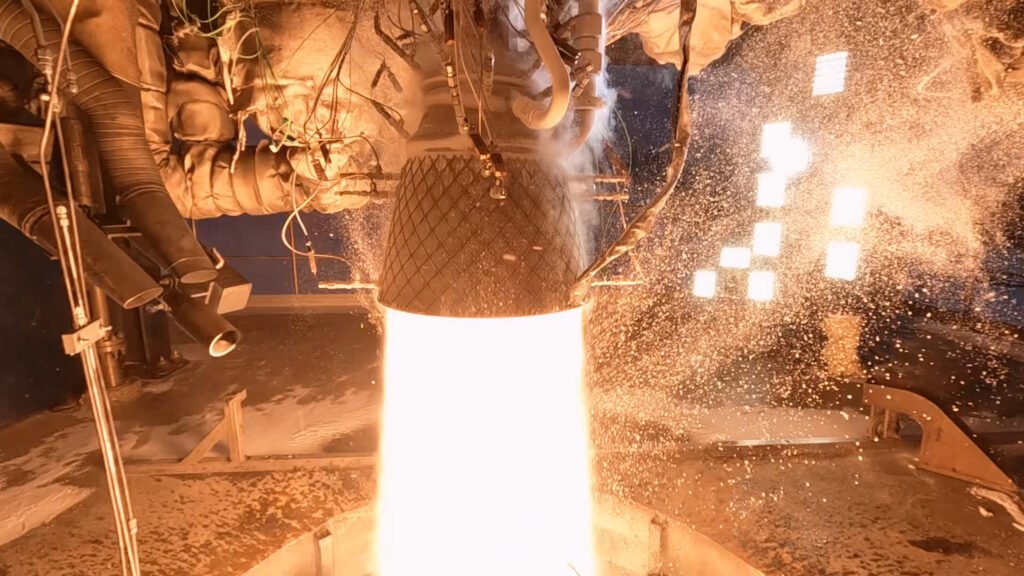
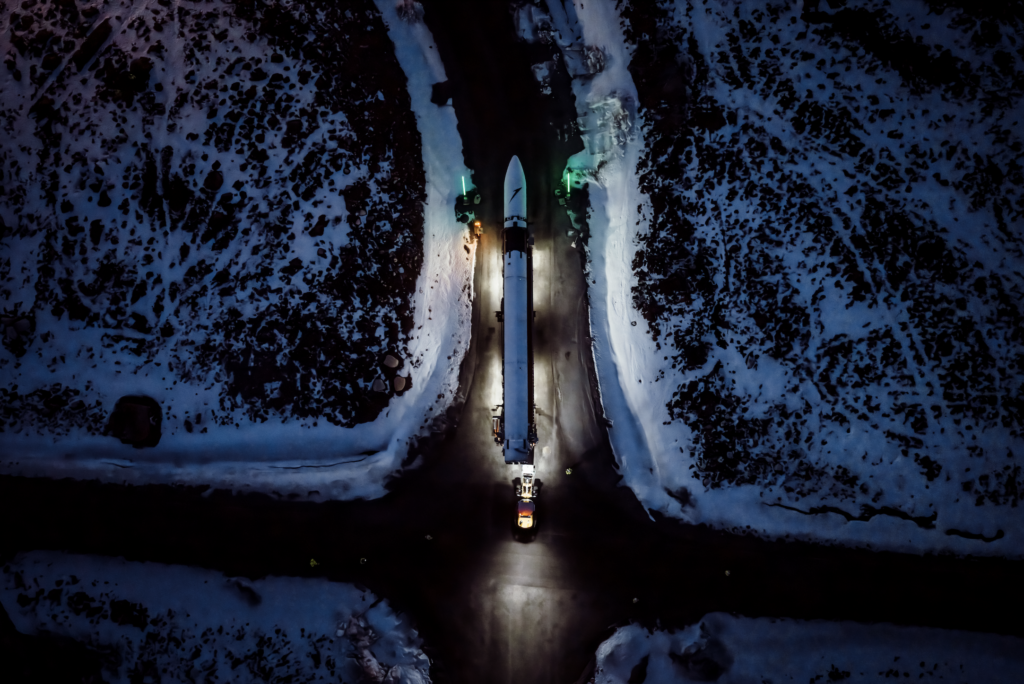
Spectrum is a launch vehicle developed by the German company Isar Aerospace.
It was designed primarily to launch small and medium-sized satellites into low Earth orbit.
For Europe, the project has significance beyond rocket technology itself. It is also about Europe’s ability to launch satellites into orbit from its own territory, without having to rely on spaceports located on other continents.
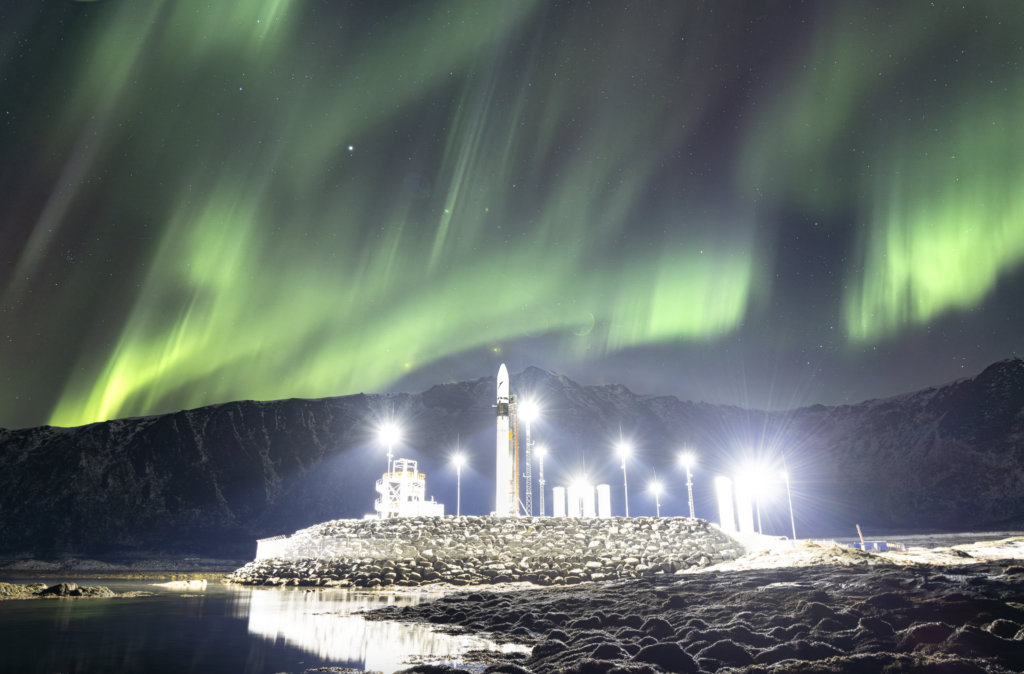
Isar Aerospace has its own launch site at Andøya. Under an agreement with Andøya Space, the company has exclusive access to the site for up to 20 years.
First Spectrum launch took place in 2025
The first test flight of Spectrum from Andøya Spaceport took place on March 30, 2025. The rocket lifted off at 12:30 p.m.
It was a historic moment for the European space sector – the first time an orbital-class rocket had been launched from continental Europe.
The flight was short, however.
After approximately 30 seconds, the flight was terminated in accordance with safety procedures, and the rocket fell into the sea within a designated area.
For Andøya Spaceport, however, the test was highly significant. It made it possible to test systems and procedures related to rocket launches under real-world conditions.
Andøya – Europe’s gateway to space
Andøya Spaceport is intended to become one of Europe’s key launch sites for small satellites. Its location far north of the Arctic Circle, directly beside the open sea, makes it possible to launch rockets towards polar and sun-synchronous orbits, among others.
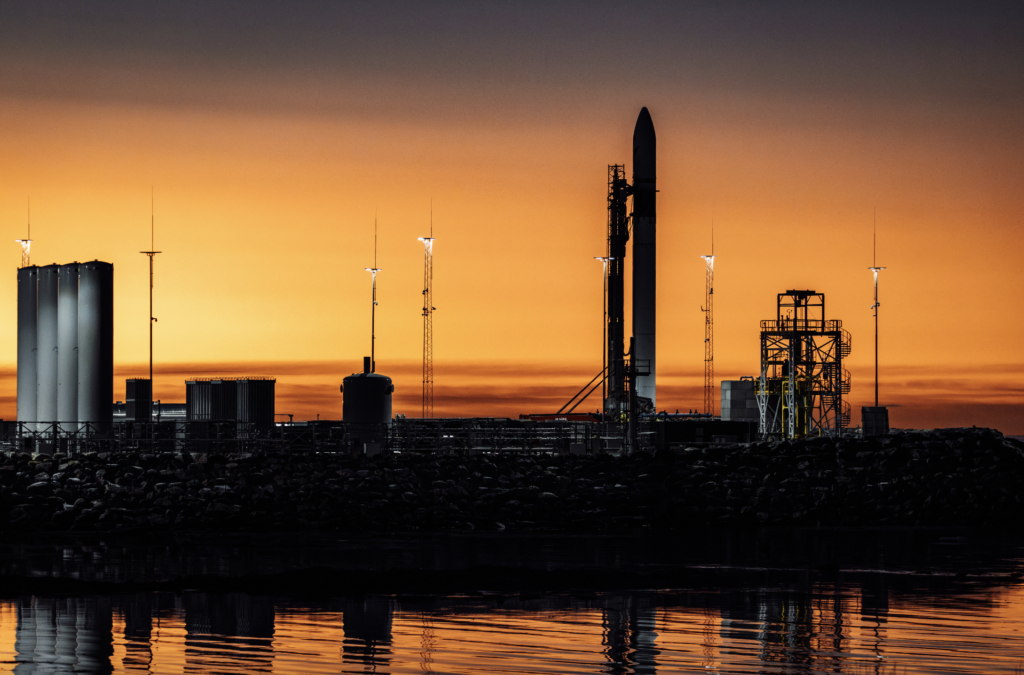
Andøya Space says that, once fully operational, the infrastructure will be able to support up to 30 missions a year.
In August 2024, the spaceport received an operator licence from the Norwegian authorities, allowing it to conduct launches of rockets carrying satellites into orbit.
Important information for residents and tourists
People staying on Andøya between September 4 and 11 should, above all, follow the latest information and announcements.
Andøya Space has also launched a free SMS notification service providing information about road closures and the activation of maritime safety zones.
The airspace should also be taken into account. A permanent restricted airspace zone is in place around the spaceport. This also applies to drones – drone flights require the appropriate permission.
For local residents, the launch will mean temporary disruptions.
For the European space industry, however, the September launch attempt will be another test of whether a small Norwegian island far north of the Arctic Circle can become one of Europe’s gateways to orbit.